





















Guide · Trading Cards · 13 minute read
Base Cards, Parallels & Variations
Part 1 of 3 Parallels, Inserts & Numbering
Published
Two copies of the same card can look almost identical and still be different collectables. This guide explains the base cards that make up a set, the parallels that repeat them in new colours and finishes, and the variations that change the picture itself, so you can say exactly which version you have.
What you'll learn
- How to read a card number, and why it isn't a serial number
- What makes a parallel, following one Topps card through all 16 versions
- How foil finishes are named and placed in five games and sports cards
- How to tell a parallel from a variation, and identify the version you own
Start with the base set
A base card is the standard version of a card in a set. The base set is the main run of cards, each with its own number, and it is the reference point for everything else in this series: a parallel or variation is always described as a version of a base card.
The card number is the quickest way to place a card in its set:
- Trading card games usually print the number with the size of the main set. On a Pokémon card, 002/086 means card 2 of a main set numbered to 86. A number higher than the set size, such as 156/086 in Black Bolt, is a checklist position too: card 156 in a set whose main run ends at 86, an extra card printed beyond that run. It doesn't mean copy 156 of 86 made.
- Sports cards usually print a single number on the back, such as #285, and the set's checklist tells you who is on each number.
Don't confuse either with a serial number, such as 07/25 stamped on a card: that counts copies, so it means copy 7 of 25 made. Serial numbering has its own guide in Part 3 of this series.
Not every base set has one design. Some sports sets split it into tiers. Panini Select is the best-known example: its 2024/25 Premier League base set runs from Terrace (1 to 100, the most common) through Mezzanine (101 to 200) to Field Level (201 to 250, the hardest to find). Each tier has its own design, and each can have its own parallels. A tiered card is still a base card, not a variation.

What a parallel is
Topps describes parallels as versions of a set's base cards that "run parallel" to it: the same design, set apart by one physical quality. That quality might be a different colour or border, a texture or pattern, a different card material or a different printing method. Parallels are made in smaller numbers than the base cards they copy.
A parallel commonly keeps the same player or character, the same photograph or artwork and the same checklist number. What changes is the colour, pattern or finish. That is what makes it a version of a card rather than a new card.
Base card
Two of its parallels


All three are the same card, #285 from Topps Premier League 2025/26, photographed by VaultifyUK. Tap a card to see it full size.
Compare the three: the photo, pose, name panel and number are identical, and only the colour changes. The parallels simply swap the base card's white background for colour. Collectors call each colour a separate parallel, and many try to collect one player in every colour, which Part 3 of this series covers.
Follow one card up the ladder
Here is every version of one card, #285 Luis Guilherme from Topps Premier League 2025/26, from the base card to the rarest parallel, in order of how many were made. The first four are unnumbered: they get scarcer only because fewer packs contain them. From Aqua /499 onwards each card is printed with its own serial number, and the number after the slash is the most copies that exist.
 Step 1 of 16 · BaseBase cardNot numbered · #285 Luis GuilhermeThe standard version, with a white and silver background. It's printed in the biggest numbers of any version of the card, so it's the one most packs contain.Shown: #285 Luis Guilherme, the card itself.
 Step 2 of 16 · Unnumbered parallelBlueAbout 1 in 2 retail packs · #285 Luis GuilhermeThe same photo and layout, with the white background swapped for blue. There's no serial number: it's scarcer than the base card only because fewer packs contain one.Shown: #285 Luis Guilherme, the card itself.
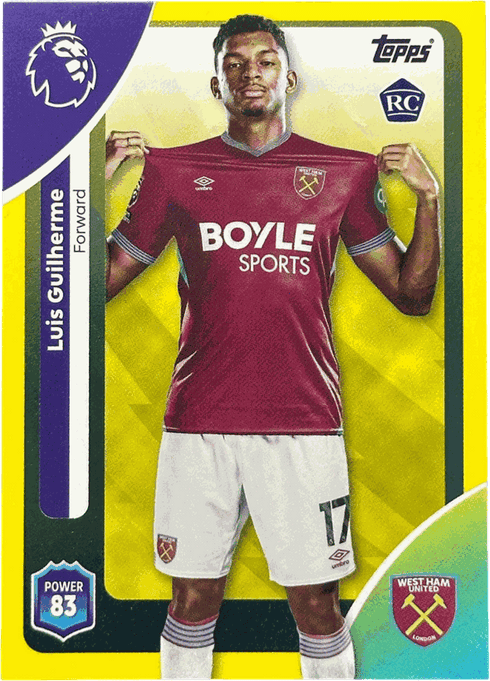 Step 3 of 16 · Unnumbered parallelYellowAbout 1 in 4 retail packs · #285 Luis GuilhermeA yellow background. Topps puts one in fewer packs than the Blue, so it turns up about half as often.Shown: #285 Luis Guilherme, the card itself.
 Step 4 of 16 · Unnumbered parallelGreenAbout 1 in 8 retail packs · #285 Luis GuilhermeThe scarcest of the unnumbered colours. Still no serial number: a stack of Green #285s has no fixed size, only longer odds.Shown: #285 Luis Guilherme, the card itself.
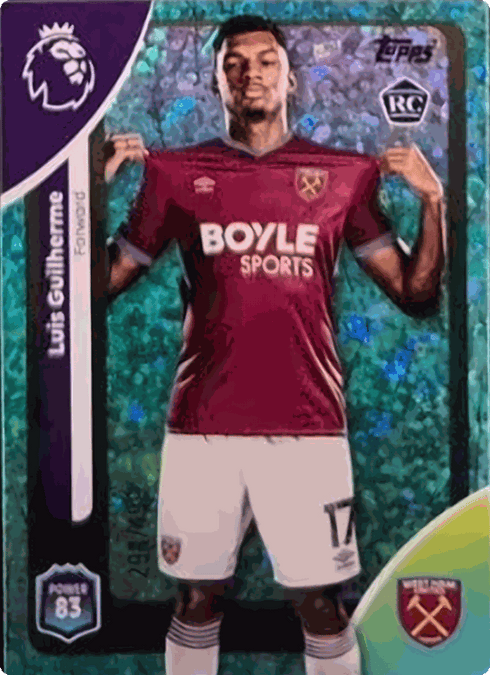 Step 5 of 16 · Numbered parallelAquaNumbered /499 · #285 Luis GuilhermeThe first numbered step. The background becomes a sparkling foil pattern, and the card is stamped with its own number out of 499. From here on, the print run is fixed: no more than 499 copies exist.Shown: #285 Luis Guilherme, the card itself.
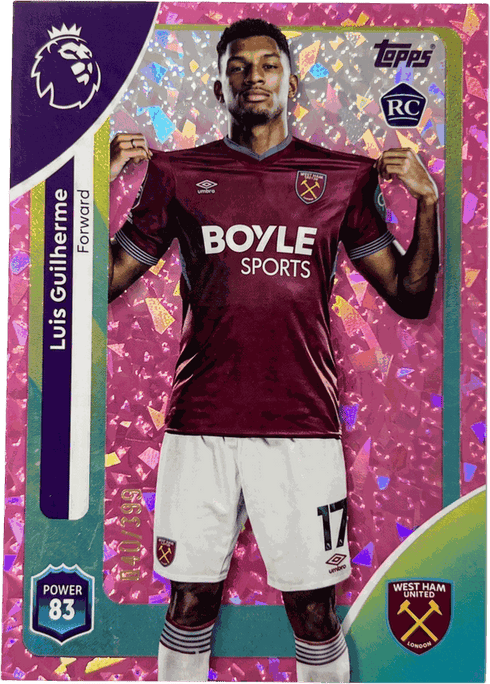 Step 6 of 16 · Numbered parallelPinkNumbered /399 · #285 Luis GuilhermeThe same sparkle pattern in pink, and a smaller fixed run: 399 copies. The serial number runs up the side of the card, under the name panel: this one reads 040/399.Shown: #285 Luis Guilherme, the card itself.
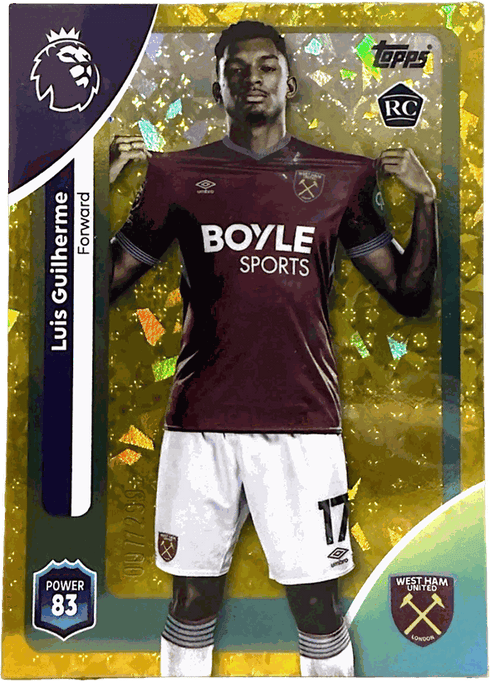 Step 7 of 16 · Numbered parallelYellowNumbered /299 · #285 Luis GuilhermeYellow again, but this time numbered and in the sparkle pattern, so it's a different parallel from the unnumbered Yellow: 299 copies.Shown: #285 Luis Guilherme, the card itself.
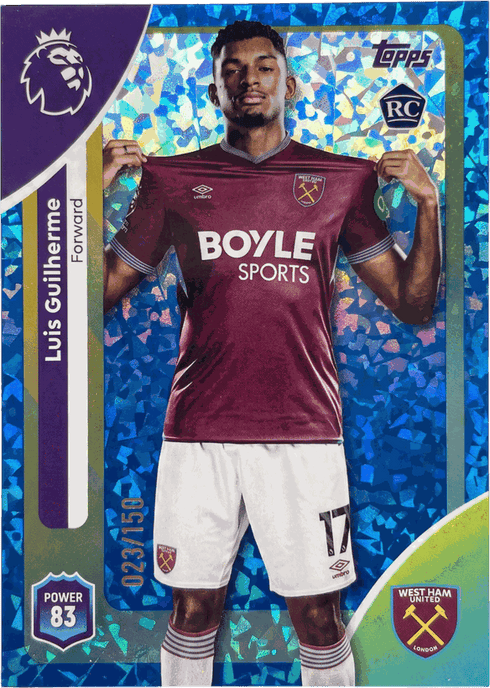 Step 9 of 16 · Numbered parallelBlueNumbered /150 · #285 Luis GuilhermeBlue, numbered to 150, and different from the unnumbered Blue at step 2: this one has the sparkle pattern and a serial number. Hobby boxes join in here too: Topps adds the same colours from Blue /150 downwards in a Rainbow Foil pattern.Shown: #285 Luis Guilherme, the card itself.
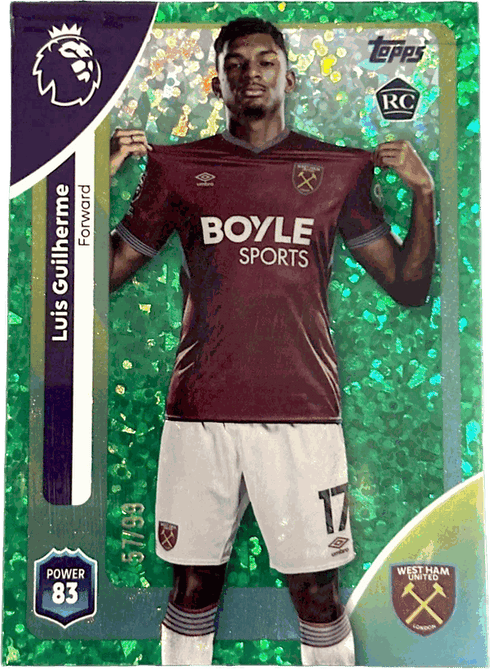 Step 10 of 16 · Numbered parallelGreenNumbered /99 · #285 Luis GuilhermeGreen, numbered to 99: under a hundred copies.Shown: #285 Luis Guilherme, the card itself.
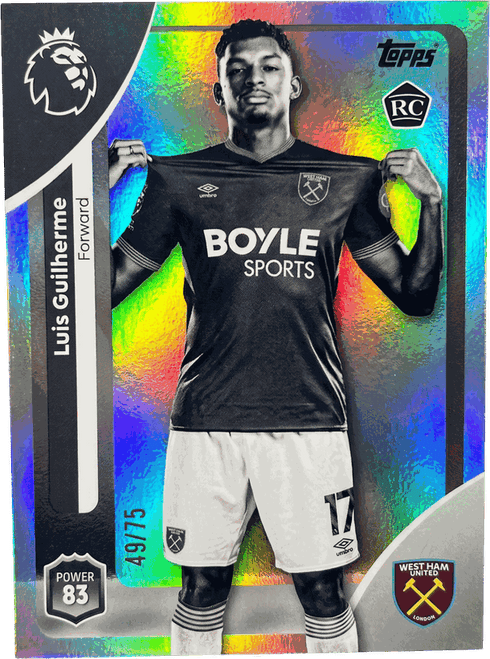 Step 11 of 16 · Numbered parallelBlack & WhiteNumbered /75 · #285 Luis GuilhermeHere the photo itself turns black and white, on a rainbow foil background. 75 copies.Shown: #285 Luis Guilherme, the card itself.
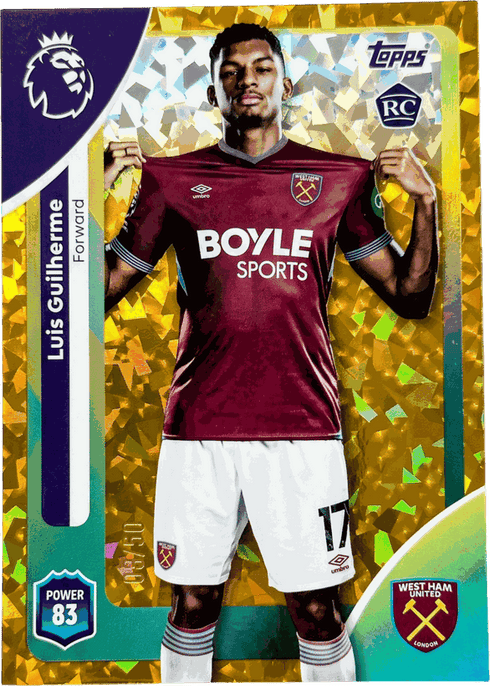 Step 12 of 16 · Numbered parallelGoldNumbered /50 · #285 Luis GuilhermeGold sparkle, numbered to 50.Shown: #285 Luis Guilherme, the card itself.
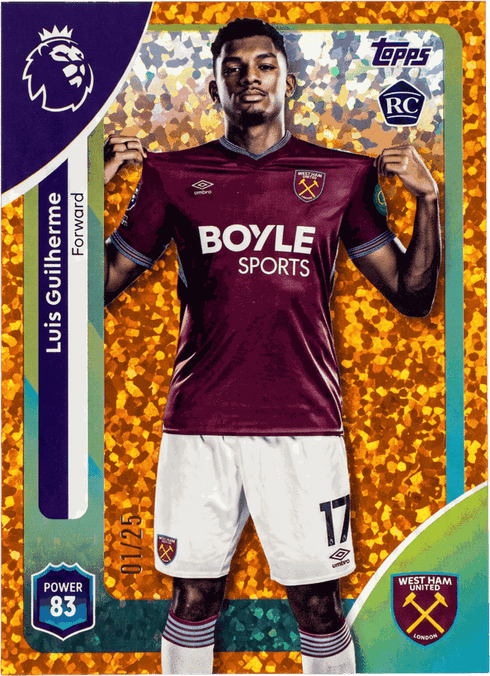 Step 13 of 16 · Numbered parallelOrangeNumbered /25 · #285 Luis GuilhermeOrange sparkle, numbered to 25. This one is 01/25, the first of the run.Shown: #285 Luis Guilherme, the card itself.
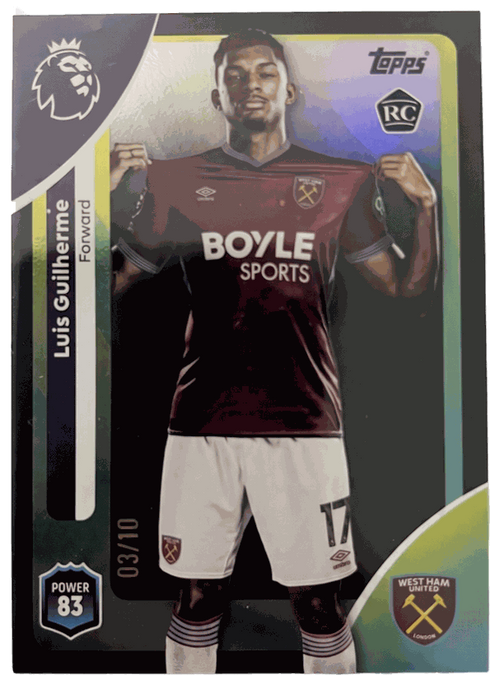 Step 14 of 16 · Numbered parallelBlackNumbered /10 · #285 Luis GuilhermeBlack, numbered to 10.Shown: #285 Luis Guilherme in Black Rainbow Foil /10 from hobby boxes: the same colour and print run in the Rainbow Foil finish.
The pack odds and the /499 to 1/1 range are from Topps' own guide to the set's parallels. The numbered colours in between come from published checklists of the set, not from Topps directly. Where we don't have a photo of the card yet, the slide shows a colour swatch instead. A smaller print run means fewer copies, not a guaranteed higher price: demand for the player matters just as much.
The same ladder at other makers
Most of the sports examples here are Topps because Topps now makes the officially licensed cards for the Premier League, Major League Baseball, the NBA and the NFL. Panini held the Premier League, NBA and NFL licences until 2025 or 2026, so many cards already in collections are Panini; Merlin, the 1990s Premier League sticker name, is now a Topps brand.
Whichever the maker, the idea is the same: some parallels are unnumbered and simply turn up in fewer packs, others are serial-numbered to a set print run, and the rarest are 1/1s. The names change from maker to maker, and so does the mix.
| Set | Unnumbered, for example | Numbered, for example | 1/1 versions |
|---|---|---|---|
| Topps Premier League 2025/26 (football) | Blue, Yellow and Green, found in retail packs | Sparkle and Mini Diamond colours from Aqua /499 to Red /5, and Rainbow Foil from Blue /150 in hobby boxes | One in each of those finishes |
| Topps Chrome Baseball 2025 | Refractor and Prism Refractor | Green /99, Gold /50, Orange /25, Black /10 and Red /5, plus Wave versions in hobby boxes and RayWave versions in retail boxes | SuperFractor and printing plates |
| Panini Prizm Premier League 2024/25 (football) | Silver Prizm, plus patterns such as Hyper and Mojo | From Blue /299 down to Gold /10, Black Gold /8 and Green /5, with separate colours in Choice and Breakaway boxes | Black, plus Black Finite, Black Shimmer and others |
Each row picks out some of a set's parallels; it is not the full rainbow. Many parallels only come in one box type, so no single box holds the whole ladder. The set's official checklist and odds list every version. Panini's Prizm basketball and American football sets use the same Silver Prizm idea.
In trading card games, a parallel plays exactly like the standard card. The One Piece Card Game's official rules say it directly: cards with the same card number are the same card, even if the illustration is different.
Foil finishes, game by game
The most common parallels are foil versions. Each game has its own names for them, and knowing where the foil sits is often enough to tell versions apart. Foil finishes, patterns and names vary between games, sets and eras, so treat what follows as a guide and check the set's own checklist.


Two cards from different eras, photographed by VaultifyUK. Card images © The Pokémon Company International
- Pokémon
- Holo: the picture shines and the rest of the card is flat. Reverse holo (Pokémon's own name is reverse foil): everything around the picture shines and the picture doesn't. A reverse holo has the same number as the standard card. Some sets add patterned reverse holos, such as the Poké Ball and Master Ball patterns in Black Bolt and White Flare.
- Sports cards
- Coloured borders and backgrounds, plus shiny card stock. Refractor is Topps' trademarked name for its rainbow-sheen chrome parallels, first seen in 1993 Topps Finest; Panini's equivalent is the Prizm. Both then come in many colours and patterns.
- Magic: The Gathering
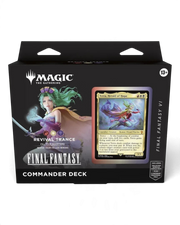
- Cards come in non-foil and traditional foil versions, with other foils such as foil-etched in some sets. Magic also varies the frame: extended art shows the same artwork widened, showcase uses a special frame design, and borderless runs the art to the edges. The rules text never changes.
- Disney Lorcana
- Cards in the main set come in both non-foil and foil. Enchanted cards go further: new borderless artwork with their own foil treatment, numbered after the main set. Since Fabled (2025), Epic and Iconic cards add more special versions with their own artwork and foil; Part 2 explains how rare they are.
- One Piece
- A parallel here is an alternate-art version of a card, Leaders included, with the same card number, so it is a new picture rather than just a new foil.
- Yu-Gi-Oh!
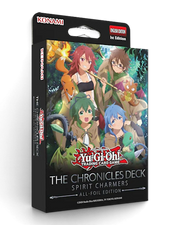
- The same card is often printed at different rarities, each with its own foil, such as Super Rare, Ultra Rare, Secret Rare, Collector's Rare and Starlight Rare. Konami's 25th Anniversary Rarity Collection printed every card in seven rarities.
Variations: when the picture changes
A parallel usually changes the finish. An image variation usually changes the picture: a different photo or pose, or new artwork, often under the same card number.
Makers don't all use these words the same way. Topps notes that a parallel can itself be an image variation, and the One Piece Card Game calls its alternate-art cards parallels. When a version's name matters, the official checklist for the set is the authoritative reference.
Here are four games side by side. In each pair the card does exactly the same thing; only the picture changes.
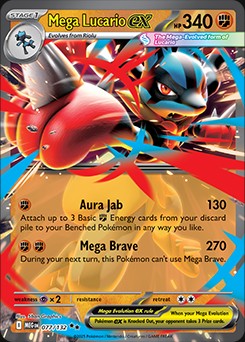
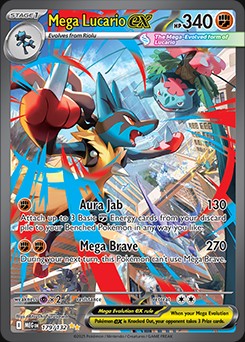


Sports cards usually do it differently: the variation keeps the base card's number and design, and only the photo changes. Topps baseball is the best-known example. In 2025 Topps Series 1, every one of the 350 base cards has a Golden Mirror image variation: a different photo on the front, a gold Topps logo and an all-gold card back. Some variations change the design instead: Merlin Premier League 2026 has short-printed cards in a 1996 throwback design.
Because the number is the same, a sports variation can be easy to miss. Compare the photo with the base card in the checklist, then look for the set's own signs, such as the gold logo and gold back on a Golden Mirror.
Card images: © The Pokémon Company International; © Wizards of the Coast; © Eiichiro Oda/Shueisha, Toei Animation, Bandai; © Kazuki Takahashi, Konami.
How scarce variations are, and why some are short prints, is the subject of Part 2 of this series.
How to identify the exact version you own
- Find the set and number.Look for the set name, symbol or code and the card number. On sports cards both are usually on the back.
- Tilt it under a light.Note where it shines: the picture, the background, the border or the whole card. A scan or photo often hides foil, so check the card itself.
- Compare it with the base card.Look at the background colour, border, texture and frame against the official checklist or card gallery for the set.
- Check the picture.If the photo or artwork differs from the base card with that number, it is usually an image variation or alternate art. Some sets add other signs too, such as the gold logo and gold back on Topps baseball's Golden Mirror variations. The checklist will say what the maker calls it.
- Look for marks.Stamps, a serial number or a printed name for the parallel all narrow it down. Serial numbers have their own guide in Part 3.
- Write it out in full.Set, number, name and version, for example "Topps Premier League 2025/26 #285 Luis Guilherme, Blue Parallel". That is how checklists, graders and sellers tell the versions apart.
If two references disagree on what a version is called, go with the maker's own checklist or card database.
Base cards, parallels and variations FAQ
Is a parallel the same as an insert?
Does a foil or parallel play differently in a trading card game?
Is a reverse holo rarer than a holo?
Is a parallel always worth more than the base card?
Next in the series: Part 2, Inserts, Short Prints & Case Hits, explains the cards that sit outside the base set altogether. See every part on the Parallels, Inserts & Numbering page.